


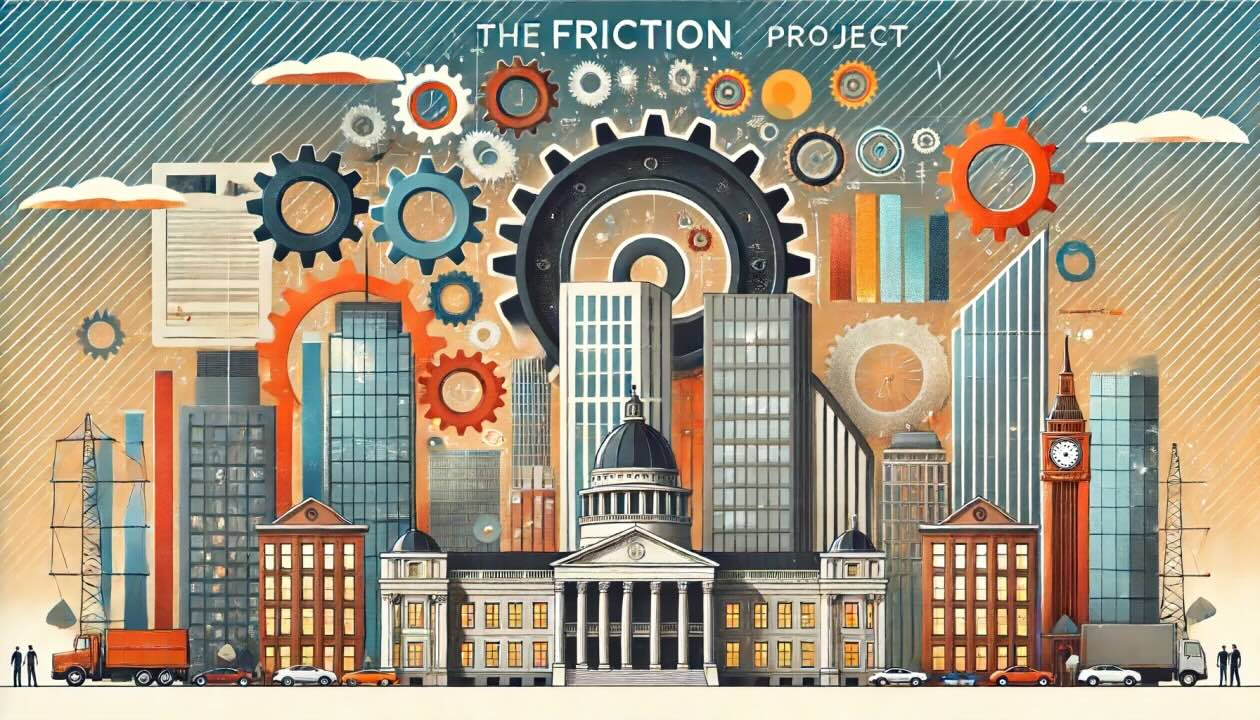

In tech, friction is often considered a bad thing, but in reality, and especially for organizations and governments, it can be a tool by design. The “Friction Project” by Bob Sutton & Hayagreeva Rao how these obstacles can be harnessed to drive better governance. This concept is particularly relevant for public administrators aiming to enhance service delivery and community relations.
What is Friction?
Friction refers to the procedural obstacles that slow down operations, such as bureaucratic procedures and communication barriers. While often perceived negatively, friction can enhance accountability and transparency when managed properly. Think of friction as the grain in wood that, when polished correctly, adds strength and beauty.
In my career, from helping start Code for America to serving as Los Angeles’ first Chief Data Officer, I’ve witnessed firsthand how effective friction management can transform operations. At Euna Solutions, our tools help governments navigate these complexities, ensuring resources are used efficiently and ethically.
The Dual Nature of Friction
Friction can be both beneficial and detrimental:
When to Create Friction
-
Promoting Deliberative Decision-Making: Thoughtful policies arise from stakeholder consultations and impact assessments. This deliberative approach ensures that policies are robust and inclusive, better serving the community.
-
Enhancing Accountability: Procedural checks and balances prevent corruption and ensure ethical standards. In Los Angeles, initiatives like the Mayor’s Dashboard and data analytics training for city staff helped the city achieve the top ranking for data-driven governance. By introducing necessary friction, we ensured that every action was transparent and accountable. At Euna Solutions, our best-in-breed budget book makes financial transparency more accessible but still provides context along with data — encouraging deeper understanding through deeper, higher friction engagement.
-
Encouraging Innovation: Obstacles push local governments to find creative solutions. At Code for America, we tackled bureaucratic inertia with digital tools and policy reforms, making government more responsive and citizen-centric. This approach demonstrated how friction could spark innovation and lead to significant advancements in public service delivery.
When to Reduce Friction
-
Streamlining Bureaucracy: Unnecessary friction hinders efficiency. Simplifying procedures can foster a dynamic economy, as streamlined application processes save time and resources. For example, automating tax filings in countries like Estonia has reduced compliance burdens and improved administration efficiency.
-
Strengthening Community Engagement: Reducing engagement barriers ensures broader participation, enhancing democratic involvement. Simplifying public meeting registrations and feedback processes encourages more citizens to participate in governance.
-
Ensuring Equitable Resource Allocation: Managing friction in resource allocation ensures fairness. Involving stakeholders in decision-making processes leads to more just distribution of resources and ensures that all community voices are heard.
The Broader Context
The lessons from the “Friction Project” align well with other influential works like Cass Sunstein’s “Sludge” and Esther Duflo and Abhijit Banerjee’s “Good Economics for Hard Times,” which explore how to streamline bureaucratic processes and improve policy implementation. These books collectively argue for a balance between necessary friction that ensures accountability and the elimination of unnecessary bureaucratic hurdles that stifle efficiency.
Understanding and leveraging friction is about recognizing its potential to drive better governance. The insights from the Friction Project are essential for any public administrator dedicated to serving their citizens effectively. By embracing these principles, local governments can build stronger, more resilient communities, ultimately leading to more effective and trusted public administration.


